
Sky-High Comms: Integrating Long-Range Dual-Band Radios into Integrated Sena Paragliding Helmets
The Thermal Separation: Why Standard Bluetooth Intercoms Fail High-Altitude Pilots For paragliding and powered paragliding (PPG) pilots, maintaining air-to-ground and air-to-air communication is a critical safety operational requirement. Many pilots fly with specialized aviation helmets (such as Icaro or MicroAvionics) featuring integrated Sena (such as Sena 50S, 30K, or SMH10 specs) or Cardo mainboards embedded directly within high-attenuation ear defenders. While this mesh setup is ideal for localized flight deck checks, caught thermals will quickly separate pilots by several miles, causing instant microwave signal dropouts.
Bridging these integrated Sena/Cardo aviation helmets with high-power VHF/UHF transceivers allows pilots to utilize the massive range advantages of analog and digital amateur frequencies, ensuring uninterrupted coordination across mountain valleys.

Figure 1: Safe airborne RF integration routing clear audio to integrated helmet ear defenders wirelessly.
1. Keep Hands on Toggles: Safe Wireless Finger PTT Setup
In active air sectors, managing glider glider pitch and brake line pressure demands constant, micro-second manual adjustments. Removing a hand from the control toggles to reach for a traditional chest-mounted speaker-mic is an unacceptable flight risk, heavily predisposing the wing to asymmetric tucks or unexpected stalls.
An optimized airborne setup routes clear RF audio directly into the integrated **Sena or Cardo flight helmet ear cups** via Bluetooth. Transmit actions must be mapped exclusively to a **wireless low-energy Bluetooth PTT button secured directly onto your finger or Velcro-strapped around the glider brake toggle**. This allows pilots to initiate radio transmission instantly with a simple thumb squeeze, keeping their hands securely holding the toggles.
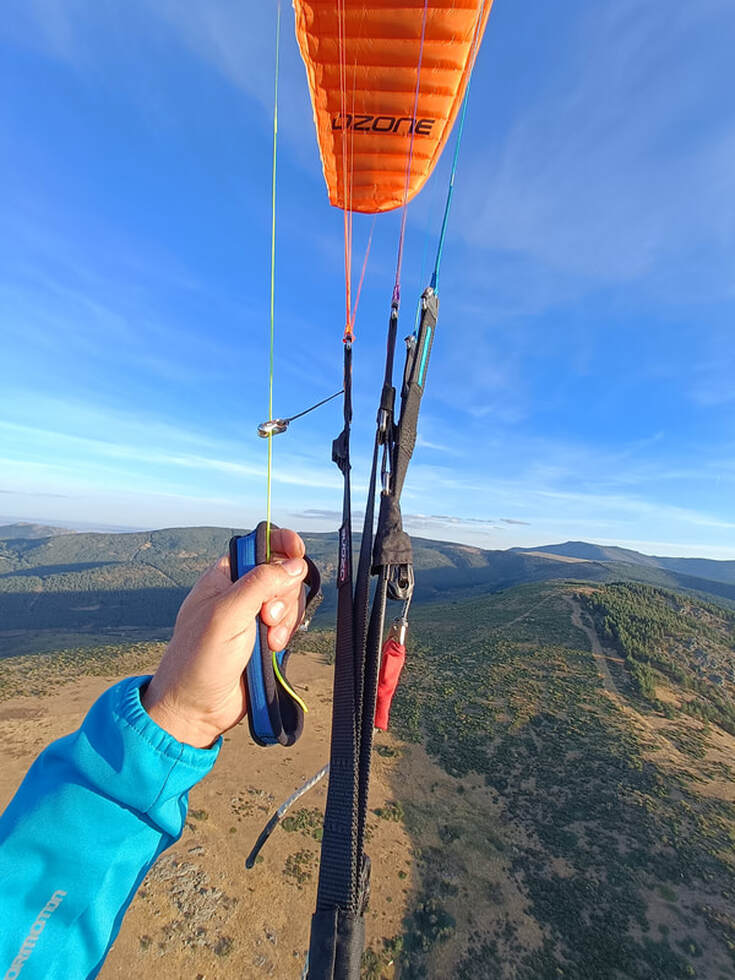
Figure 2: Custom low-energy wireless finger PTT strapped onto paragliding toggles for instant transmitter access.
2. Landing Zone Tracking & Off-Grid Rescue: The APRS Lifesaver
Cross-country (XC) flying often sends pilots over deep valleys, rugged peaks, and dense forest sectors. If a sudden drop in thermal lift or a tactical error forces an unplanned off-field landing, cellular service is rarely available in deep valley basins. Finding a downed pilot without accurate coordinates can take hours of rescue work.
Equipping your flight harness with an active **APRS-compatible smart transceiver (such as the VGC VR-N76)** acts as an off-grid locator beacon. The radio continuously broadcasts GPS coordinates, current altitude, and descent speed over VHF waves directly to global APRS networks and overland tracking vehicles. Even if you land in a cellular dead zone, recovery crews can instantly isolate your exact landing site on an offline map.
Recommended Airborne Integration Components:
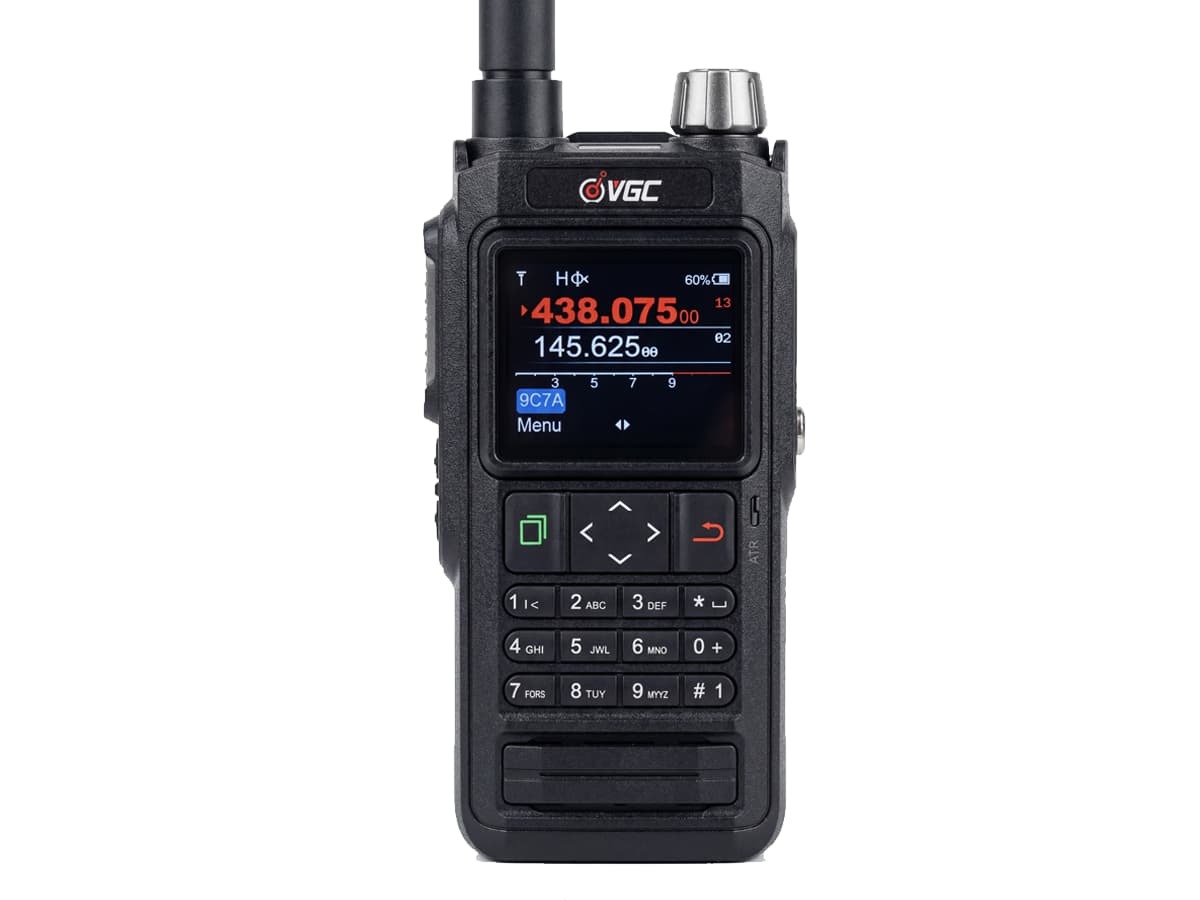
VR-N76 Smart HT
5W Output power, dual Bluetooth pairing for aviation helmets, integrated APRS tracker, and rugged IP67 chassis.
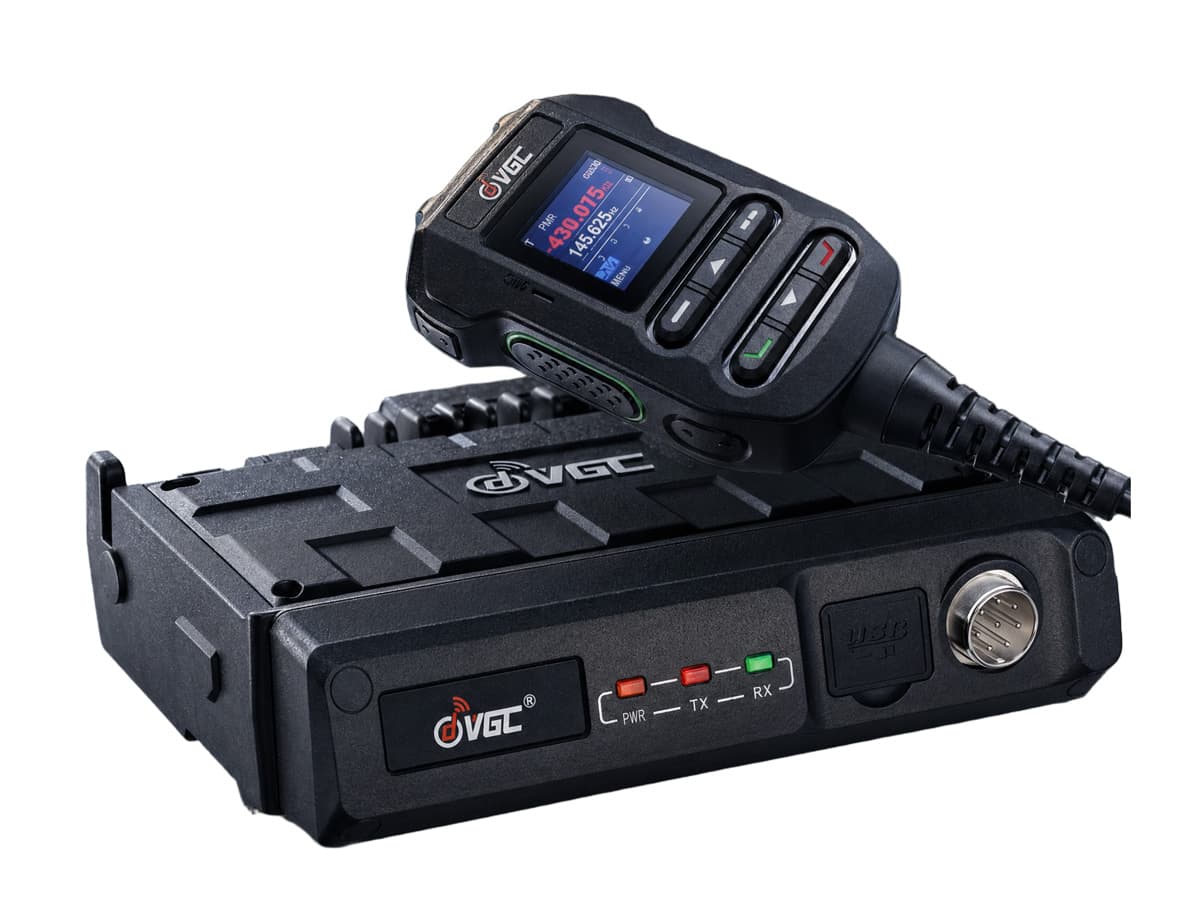
VR-N7600 Mobile Radio
50W High power. Ideal for chase vehicles monitoring descending pilots over huge mountain zones.

BS-PTT Wireless Button
Strapped directly around your toggles or finger. Squeeze to talk without letting go of brake lines.
3. Instant Cockpit Frequency Updates via App
Struggling to read screen prompts or type out frequency lists on a rigid hardware keypad while hanging in a flight harness is a frustrating, unsafe cockpit chore. App-defined architecture bypasses these mechanical bottlenecks entirely.
By pairing your smartphone with the radio's **HT APP** prior to takeoff, pilots can seamlessly update repeater sub-audible tones, group naming profiles, and simplex arrays on a high-contrast touch screen. The configuration profile is synchronized wirelessly to the radio deck over Bluetooth instantly, streamlining your pre-flight safety checklist.
Advanced Airborne Integration Guides:
Secure Your Airborne Communication Setup
Explore heavy-duty, app-defined radio frameworks engineered to mesh natively with premium aviation helmet intercoms and wireless finger PTT controllers.
Technical Documentation Database © 2026 | Full-Stack Wireless Flight Communication Systems