
The Ultimate SHTF Comms Blueprint: Why Dual-Band Analog Matters First for Survival and Off-Grid Tracking
When SHTF (S*it Hits The Fan)—whether it’s a grid-down blackout, an EMP threat, or a massive winter storm carving through the backcountry—your smartphone is nothing more than an expensive paperweight. Cell towers rely on the civil power grid. When that grid folds, local infrastructure dissolves in less than two hours.
For survivalists, backcountry hunters, and off-grid overlanders, a rugged dual-band ham radio handheld is your absolute primary lifeline. However, many beginners buy the wrong equipment because they follow marketing fluff instead of real-world radio physics. This guide strips away the hype to show you how to choose a bulletproof EMCOMM (Emergency Communications) setup that will actually keep your team connected when the world goes dark.
1. Dual-Band vs. Monoband: The Lifeline of Dual Watch
In an emergency tactical zone, situational awareness is life. You cannot afford to choose between listening to local emergency dispatch or talking to your tactical scout team. You must do both. That is why a professional VHF UHF dual-watch survival radio is non-negotiable:
- VHF (136-174 MHz): Features a longer wavelength (around 2 meters) that excels at bending over hills and punching through dense deep woods during backcountry hunting.
- UHF (400-470 MHz): Features shorter wavelengths that are highly optimized for urban concrete environments, tight mountain gorges, and indoor warehouse operations.
A high-performance dual-band handheld allows you to lock onto local repeaters on VHF while simultaneously keeping an active dual-watch channel on UHF simplex for your immediate family convoy. If a radio cannot monitor both bands simultaneously with clean, independent receivers, it does not belong in your bug-out bag.
2. Why Pure Analog Audio Rules the Wasteland
While digital protocols (DMR, P25) are great for peacetime commercial security, pure analog two-way radio architecture is the undisputed king of emergency survival. Digital signals are binary: you either have a 100% perfect signal, or you get digital dropouts and absolute silence. When you are operating at the absolute edge of your radio’s range in a rugged valley, a digital radio will clip and fail.
An analog radio, however, will let you hear a voice through the static. Even if the signal-to-noise ratio is poor, the human ear can decode a scratchy analog voice transmission. For a prepper bug-out bag two-way radio, analog reliability ensures that weak, long-distance distress calls actually get through.
3. The Modern Blindspot: What Traditional EMCOMM Radios Miss
Traditional prepper radios built in the 1990s have a fatal bottleneck: tactical data isolation. If your team is scattered across a 5-mile deep woods grid during a rescue or tactical scout operation, voice calls alone clog the airwaves. Constantly repeating coordinates like "I'm at North 38 degrees, West 121 degrees" leads to operator fatigue, transmission errors, and compromises stealth.
This is where the boundary line of modern off-grid communications is drawn. The smartest upgrade for a survival network is a rugged radio that embeds a Bluetooth KISS TNC platform alongside its analog core.
The App-Controlled Radar Magic
By utilizing a built-in Bluetooth data bridge, your radio can act as a high-power transceiver engine while wirelessly throwing encrypted tracking radar, topography maps, and silent keyboard text messaging straight onto an offline smartphone or a vehicle dashboard console. You aren't using cell service; you are using pure radio waves to sync team metrics silently.
4. The Prepper’s RF Hardware Checklist
Before purchasing any handheld transceiver (HT) for your off-grid survival kit, ensure it clears this strict engineering checklist:
- ✓ True Dual-Watch Dual-Band: Capable of sweeping and monitoring both VHF and UHF disaster frequencies at the same time.
- ✓ Universal Type-C Direct Charging: Relying on a fragile, proprietary desktop charging cradle in a disaster is a fatal mistake. Your tactical radio must support direct USB Type-C charging (ideally engineered securely on the rear of the battery assembly) to draw juice directly from solar blankets, power banks, or overland vehicle rigs.
- ✓ High-Sensitivity Built-in GPS: External dongles break and tangle in tactical gear loops. The GPS chassis must be integrated and achieve fast orbital locks entirely away from civil grids.
- ✓ Rugged and Weather-Resistant Build: It must survive a drop on a rocky trail or a heavy downpour in the backcountry.
- ✓ Independent TNC Capability: The data link must run on an independent hardware engine so that if your smartphone dies, the radio still functions perfectly as a standalone analog voice communicator.
5. Tailoring Your Survival Grid Architecture
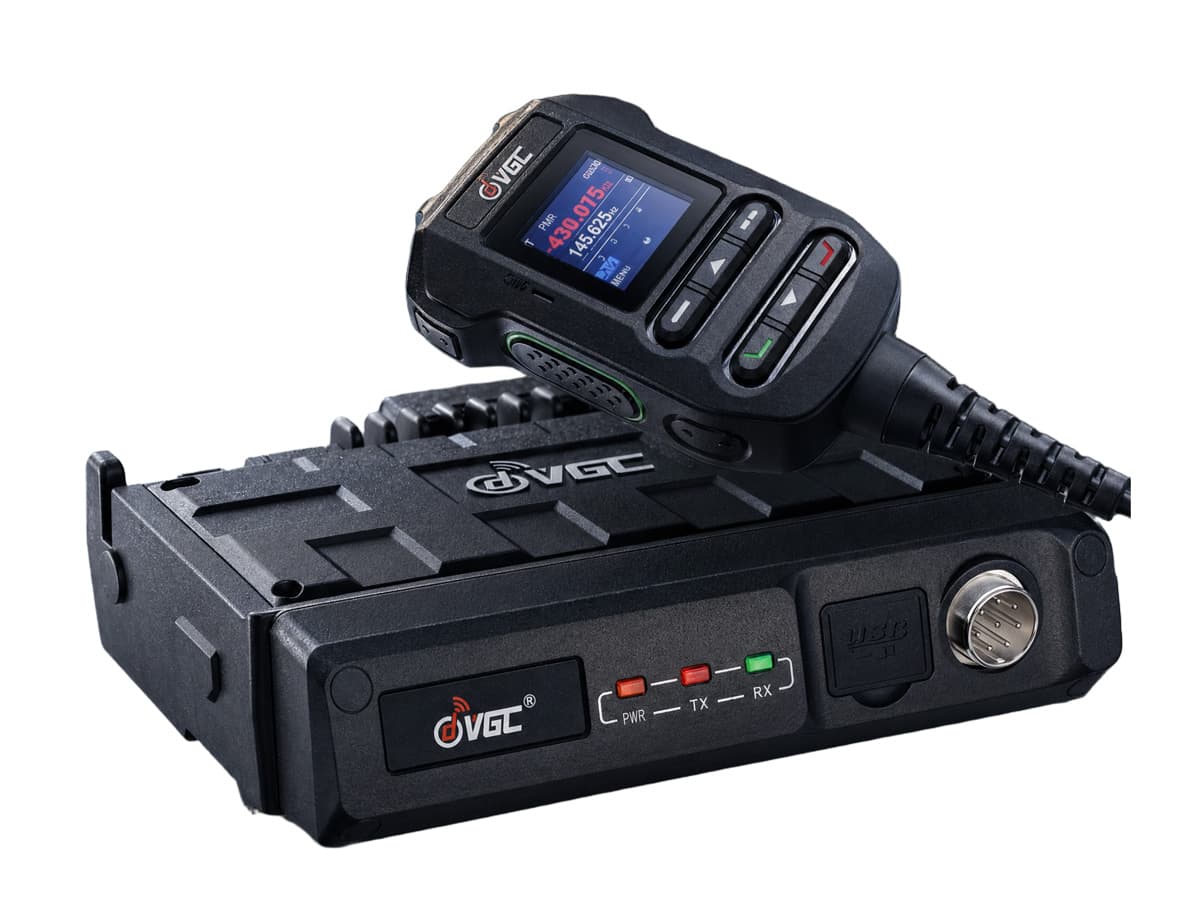
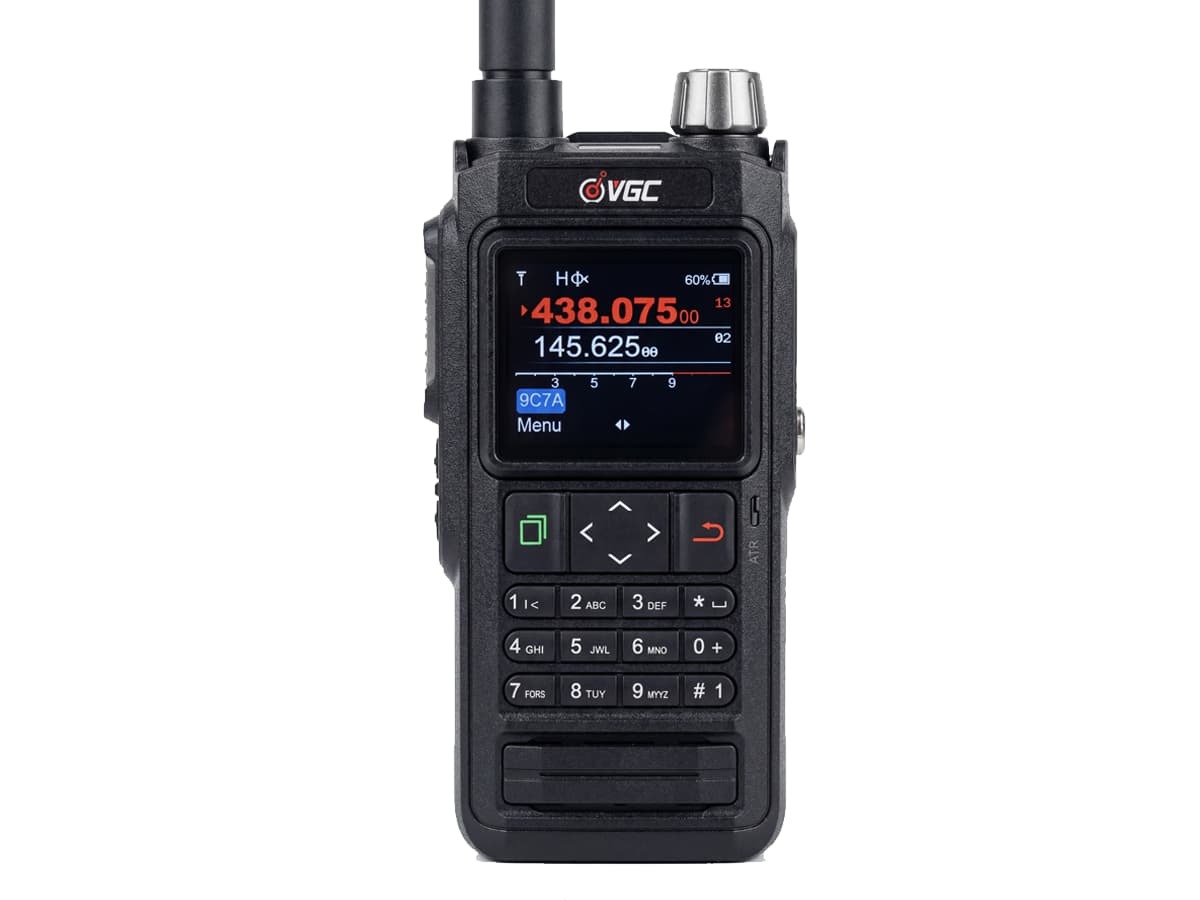
To help you map out your team's equipment roster, we engineer hardware tailored around these exact operational physics:
Final Verdict: Focus on the Fundamentals
Don’t wait for a grid crisis to audit your communication gear. When building your emergency survival protocol, ignore the cheap consumer toys. Invest in high-quality, dual-band optimized architecture that prioritizes crisp analog execution first, and then back it up with modern off-grid data mapping. Lock in your regional frequencies, train with your team on simplex channels, and ensure your lifeline is secure before the towers go silent.
📥 SHTF Sourcing & Tech Support
Need to configure a resilient communication web for a commercial fleet, emergency SAR organization, or private security group?
- Submit a Technical RFQ to align with our RF engineering team.
- Explore Our Professional Monoband & Dual-Band Portfolio to upgrade your operational gear.