
Ditch the Audio Cable: The Modern Guide to Wireless APRS and Packet Radio
The "APRS Cable" Nightmare: Why Sending Data Should Not Feel Like 1998 Ask any beginner who has tried to get into APRS (Automatic Packet Reporting System) or digital packet texting, and they will tell you about the absolute horror of the "APRS audio cable." In theory, you connect your handheld radio to your smartphone with a cheap 3.5mm analog patch cord, open an app, and magic happens.
In reality, you spend three hours wrestling with smartphone volume sliders, cursing at analog ground-loop hums, and suffering from constant failed decodes because your phone’s microphone jack is either too sensitive or too deaf to read the 1200bps AFSK tones. The moment you step outside or slightly nudge the wire, the analog connection breaks. In an age where we can stream hi-res audio to wireless earbuds, carrying a fragile nest of analog wires just to share offline coordinates in the field feels completely ridiculous.
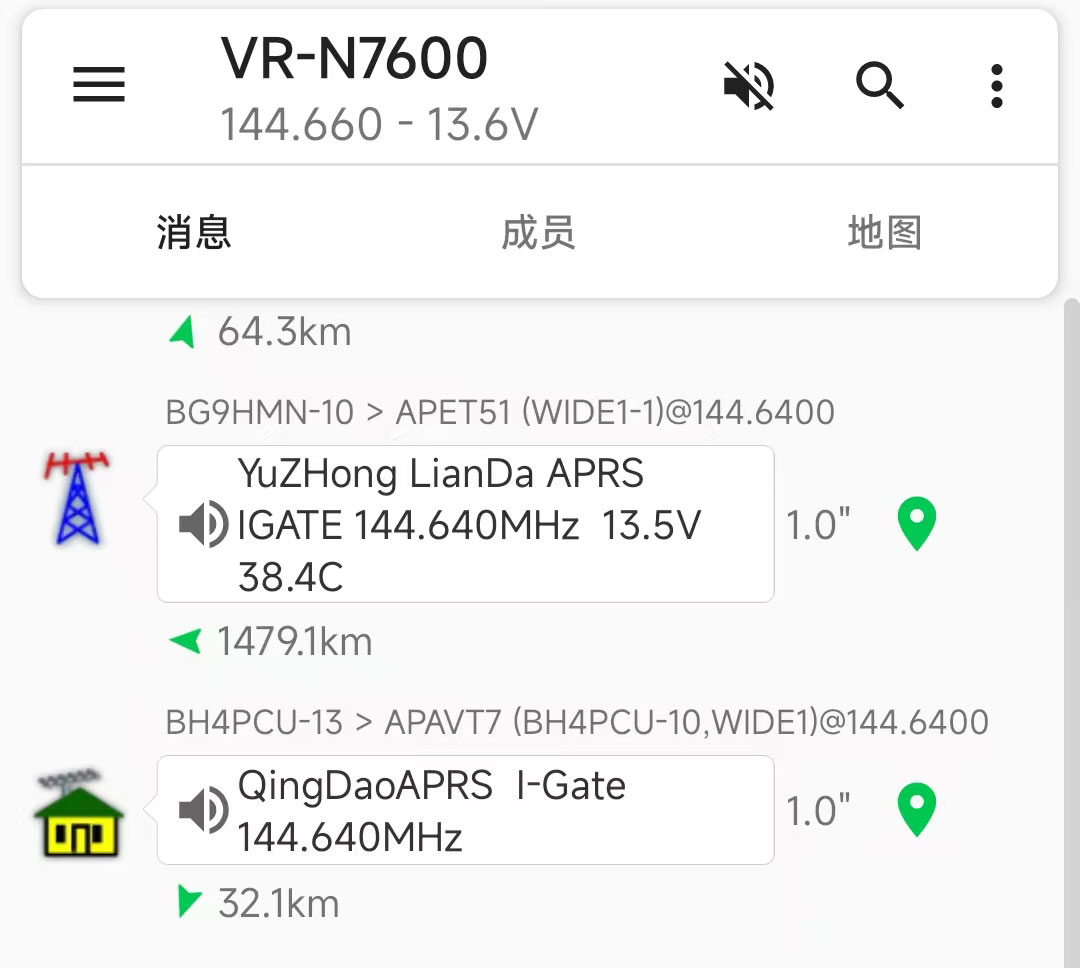
Figure 1: Clean, cable-free APRS telemetry and off-grid messaging managed straight from your smartphone map.
1. What is a KISS TNC, and Why Does it Change Everything?
To understand why the wireless way is better, we need to talk about the TNC (Terminal Node Controller). Think of a TNC as an old-school dial-up modem, but for radio waves. It takes digital text or GPS packets, translates them into "chirping" analog noises to transmit over RF, and translates the noises it hears back into data.
Traditionally, if you wanted to do this, you had to hook up your radio to a heavy, external hardware TNC box, which then plugged into a PC running complex driver software.
Modern App-Defined radios like the VGC VR-N76 put that entire hardware modem right inside the radio chassis. The radio itself does 100% of the digital decoding internally with zero audio distortion. It then uses low-latency Bluetooth to push raw, clean data packets directly to your smartphone. No audio calibration, no volume sliders to fight with, and most importantly—absolutely zero cables.
Wireless Bluetooth APRS vs. Old-School Analog Cable APRS
| Operating Factors | Wireless App-Defined (VR-N76) | Analog "APRS-K1" Cable Hack |
|---|---|---|
| Connection Physicality | Bluetooth Link (Wire-Free) | Fragile 3.5mm Jack Patch Cables |
| Signal Calibration | Plug-and-Play Digital Sync | Frustrating Phone Volume Level Tweaking |
| Packet Decode Reliability | High (Decoded by Hardware Chip) | Low (Prone to Cable Hum & Mic Noise) |
| Field Station Portability | Highly Mobile (Belt/Pack Mounting) | Stationary (Cables Snag easily in Brush) |
2. Ultimate Open Ecosystem: Connect via APRSDroid and APRS.fi
Here is the best part for hardcore radio geeks: you are absolutely not locked into a closed brand ecosystem. Because the internal hardware modem utilizes standard, open-protocol KISS (Keep It Simple, Stupid) TNC architecture, it presents itself as a universal digital data bridge over Bluetooth.
This means you aren’t restricted to using just the proprietary HT APP. You can seamlessly link the transceiver to the most popular third-party ham apps on the planet. Prefer running the gold-standard APRSDroid for tactical field maps and offline message routing? Want to plot incoming beacons straight onto a live browser radar using APRS.fi? Simply fire up the app, select the radio via Bluetooth TNC mode, and you are running on a fully open-source digital playground. It adapts beautifully to whatever tracking, mapping, or survival database your local ham group already relies on.
3. Real Off-Grid Messaging: No Cell Tower? No Problem.
This isn’t just about showing off a fancy screen layout. This wireless digital mesh setup is a genuine lifesaver for survivalists, overlanders, and wilderness hikers.
If you are deep in a mountain valley where cellular grids are completely dead, you cannot send a text to check in with your convoy or base camp. Proprietary satellite messengers work, but they lock you into expensive monthly contracts.
By utilizing the built-in KISS TNC of your transceiver, you can type a message on your smartphone’s familiar keyboard within the app. The phone sends it via Bluetooth to the radio, which instantly broadcasts it as an RF data packet. The packet can be digipeated across mountains or received by local APRS IGates, forwarding your message as a real SMS text message to any family member's cell phone. It is completely off-grid, relies entirely on free amateur radio infrastructure, and keeps you connected when the grid goes dark.
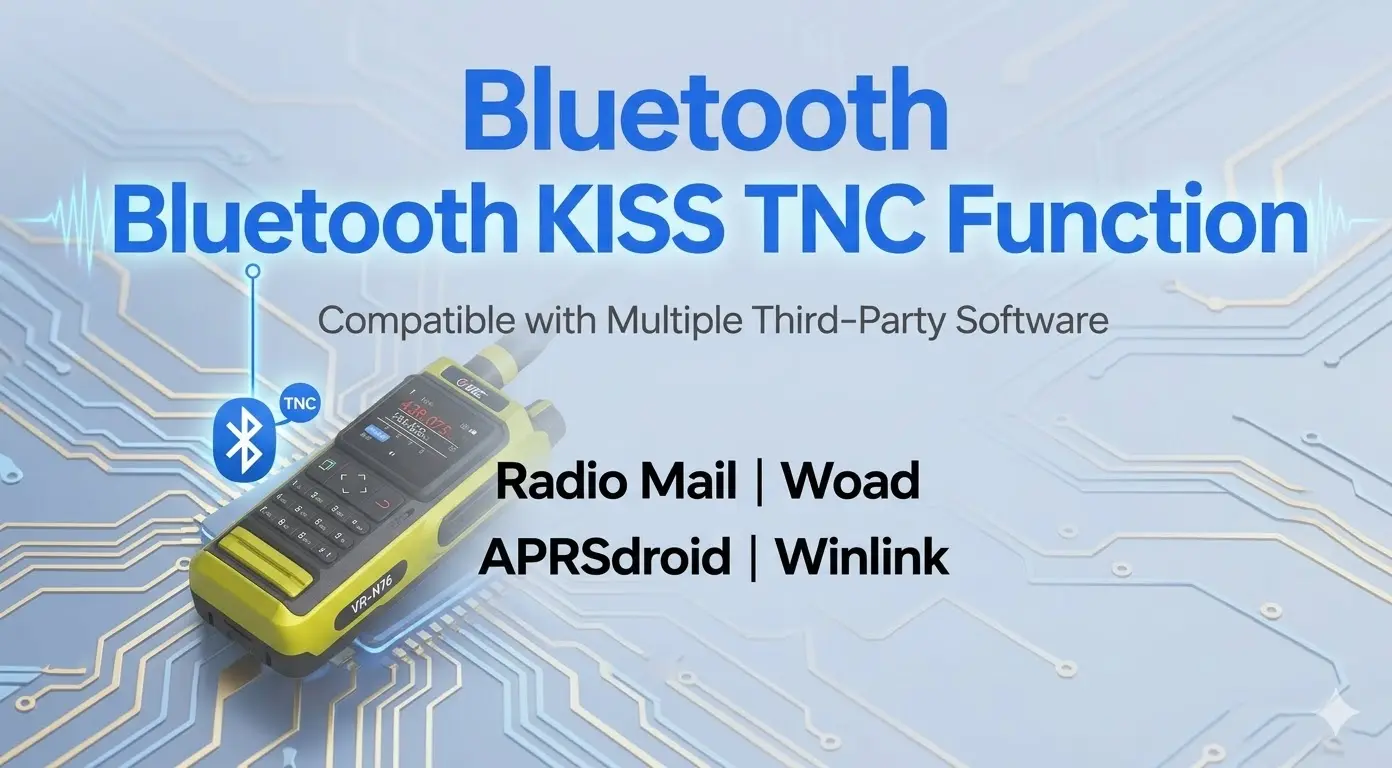
Figure 2: Real-time map rendering showing tracked team members and off-grid simplex text messages.
4. Setup Tips for Rock-Solid Wireless APRS Contacts
If you are ready to dump the audio cables and step into the app-defined future, keep these core operational tips in mind to get the maximum range out of your packet radio setup:
- Use an Upgraded Antenna: Handheld rubber duck antennas are fine for close-range work, but for reliable packet transmissions over long distances, upgrade to a high-gain tactical folding antenna or a portable roll-up Slim-Jim hung in a tree.
- Verify Your Pathing: When sending APRS packets, make sure your path is set correctly (typically WIDE1-1, WIDE2-1 for mobile/portable use). This tells local digipeaters how many times they are allowed to "bounce" your coordinate packet to find an IGate.
- Check Local Digipeater Frequencies: Make sure your VFO channel is tuned to your region's dedicated APRS frequency (144.390 MHz in North America, 144.800 MHz in Europe).
APRS & Packet Radio FAQ (No-Nonsense Guide)
Q: Can I use APRSDroid with the VR-N76 instead of the native app?
A: Yes, absolutely. Because the internal modem functions as a standard, non-proprietary KISS Bluetooth TNC, it is instantly recognized by third-party amateur radio software like APRSDroid or APRS.fi. You can choose your preferred interface for tactical offline tracking.
Q: Do I need a computer to send APRS text messages with a KISS TNC?
A: Not anymore. While traditional packet radio required a laptop, an App-Defined radio like the VR-N76 handles the TNC encoding inside the handheld itself. It connects via Bluetooth directly to your smartphone's companion map app, allowing you to send text coordinates and read telemetry using your normal phone screen.
Best App-Defined Wireless Packet Transceivers:
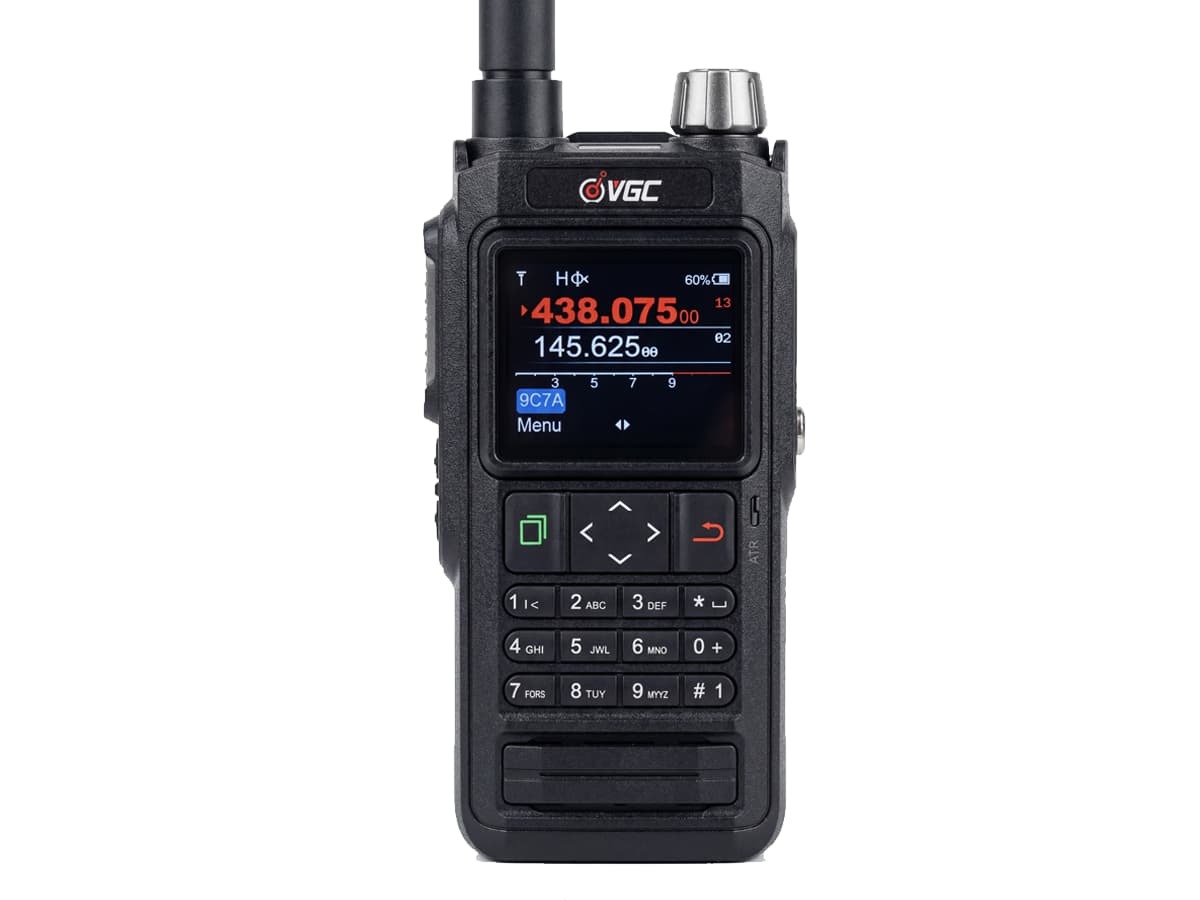
VR-N76 Smart HT
Rugged 5W handheld radio featuring an integrated GPS, built-in hardware KISS TNC data modem, and native Bluetooth app-defined tracking mapping.
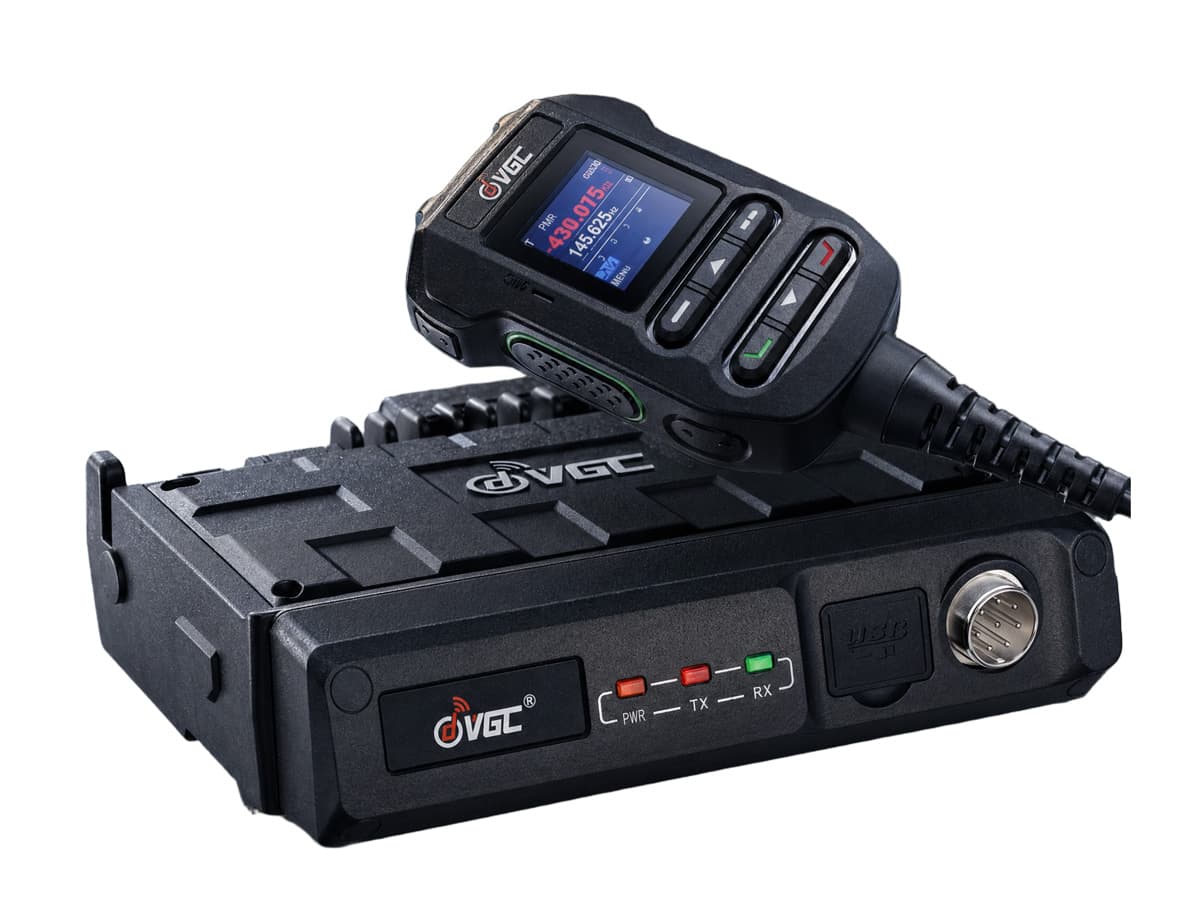
VR-N7600 Mobile Radio
50W High-power mobile transceiver. Packs a built-in hardware KISS TNC to push packets over mountain ranges effortlessly from your rig.
Upgrade to Clean, Wireless Data Communications
Explore heavy-duty, app-defined transceivers engineered to replace messy analog audio setups with native Bluetooth KISS TNC and smart coordinate tracking.
Technical Documentation Database © 2026 | Full-Stack App-Defined Off-Grid Communication Systems