
Breaking the Range Limit: The Ultimate VHF/UHF Bluetooth Integration for Adventure Motorcycle Riding
Overcoming the Line-of-Sight Range Pitfalls of Premium Helmet Intercoms Premium motorcycle communication systems like the Sena 50S, 50R, 30K or Cardo Packtalk Edge, Packtalk Bold offer excellent audio clarity for close-range line-of-sight cruising. However, because they operate on high-frequency 2.4GHz microwave bands, their mesh networks face a hard physical ceiling. The moment your adventure group enters deep mountain switchbacks, dense forest trails, or when a rider drops behind by more than half a mile, even advanced systems like Cardo Packtalk or Sena 50S will suffer from crackling audio and eventual total connection blackouts.
Bridging these consumer helmet units with high-power VHF/UHF analog or digital transceivers solves this range limitation. By overlaying radio frequency networks onto your existing wireless setup, you can scale communication clear across mountain ranges.
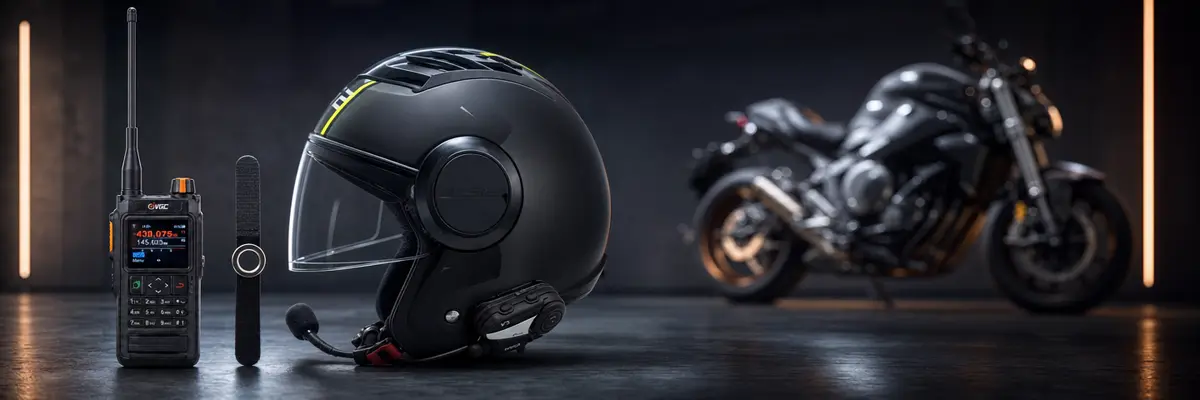
Figure 1: High-power VHF/UHF radio bridging seamlessly into standard Sena 50S and Cardo Packtalk networks.
1. The Safety Critical Law: True Handlebar PTT Control
When integrating high-power transceivers into motorcycle dynamics, standard industry configurations often make a dangerous error: pairing the radio with a bulky Bluetooth speaker-microphone (hand mic) clipped to the rider's chest. On loose gravel or technical single-tracks, releasing your grip to fumble for a chest microphone introduces severe riding instability and critical safety hazards.
An optimized motorcycle communications setup must route the audio stream wirelessly to your existing Sena, Cardo, or helmet headset, while mapping the transmit function exclusively to a wireless Bluetooth PTT button locked directly onto the handlebar grips. This design ensures that you can execute multi-mile radio transmissions instantly without shifting your hand position, keeping you safe on tough terrain.
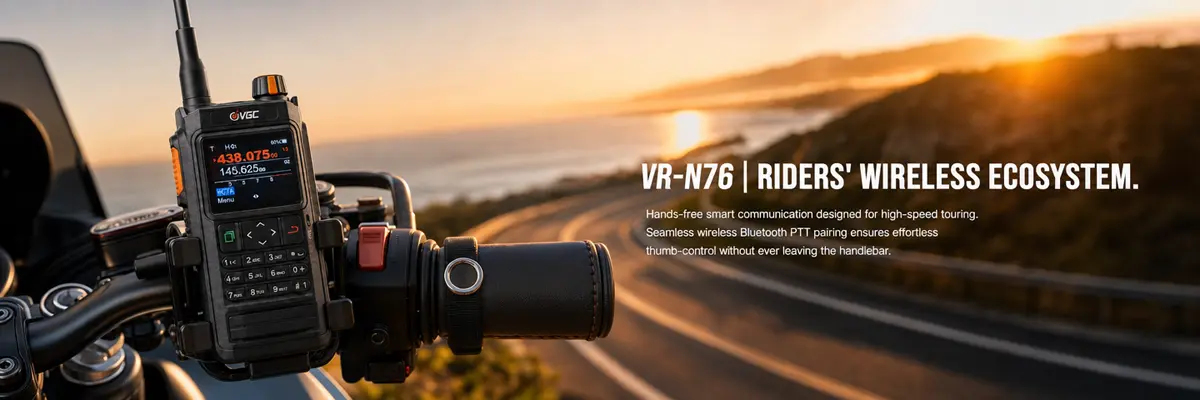
Figure 2: Safe wireless Bluetooth PTT deployment allowing seamless RF transmission without leaving the handlebar grips.
2. Deployment Layouts: Tactical Handheld vs. High-Power Mobile
Depending on your packing constraints and group requirements, long-range motorcycle RF systems branch into two deployment paths:
A Single-Unit Lightweight Handheld Setup
For solo enduro riders or B2C light packers, a ruggedized smart handheld radio (such as the VGC VR-N76) provides an ideal on-person deployment profile:
- • Pack the IP67 waterproof radio body directly into your hydration pack, jacket pocket, or chest rig.
- • Turn on the internal Bluetooth module and link it directly to your Sena 50S/30K or Cardo Packtalk Edge/Bold via standard universal intercom pairing profiles.
- • Strapped to the left handlebar, the low-energy wireless PTT allows thumb-activated long-range broadcast instantly.
B Fixed High-Power 50W Mobile Bike Installation
For sweep riders or long-distance ADV tourers dealing with heavy terrain masking, utilizing a vehicle-powered mobile radio (such as the VGC VR-N7600 or N7500) guarantees 50 watts of penetration to clear ridges and keep large groups linked up.
Engineering Installation Reference: Mounting a heavy-duty 50W transceiver onto a bike's electrical rail demands specialized chassis placement and power filtering. See our complete step-by-step bike hardware installation layout: Stealth 50W Motorcycle Mobile Radio Installation Blueprint →.
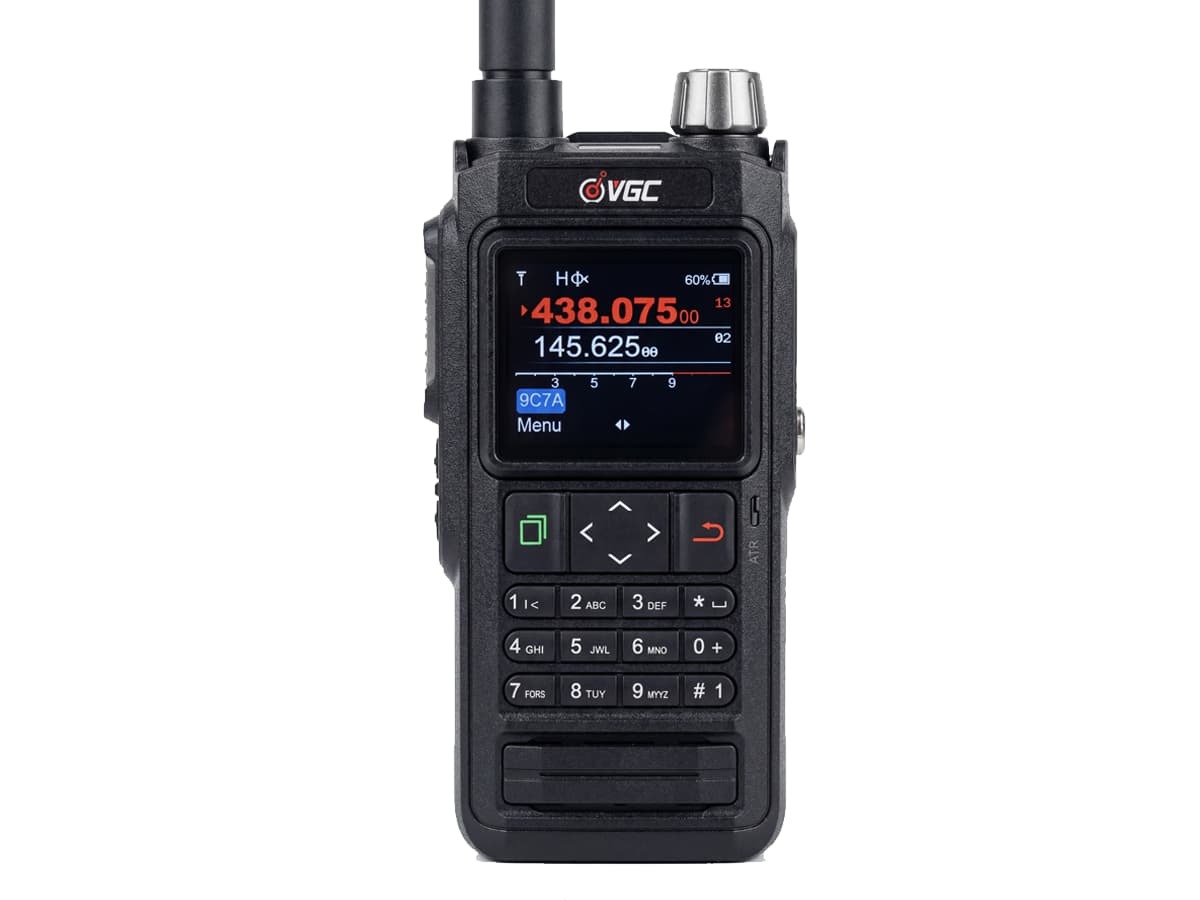
VR-N76 Handheld Radio
5W Smart HT with dual Bluetooth links, built-in GPS, compass, and IP67 waterproof armor.
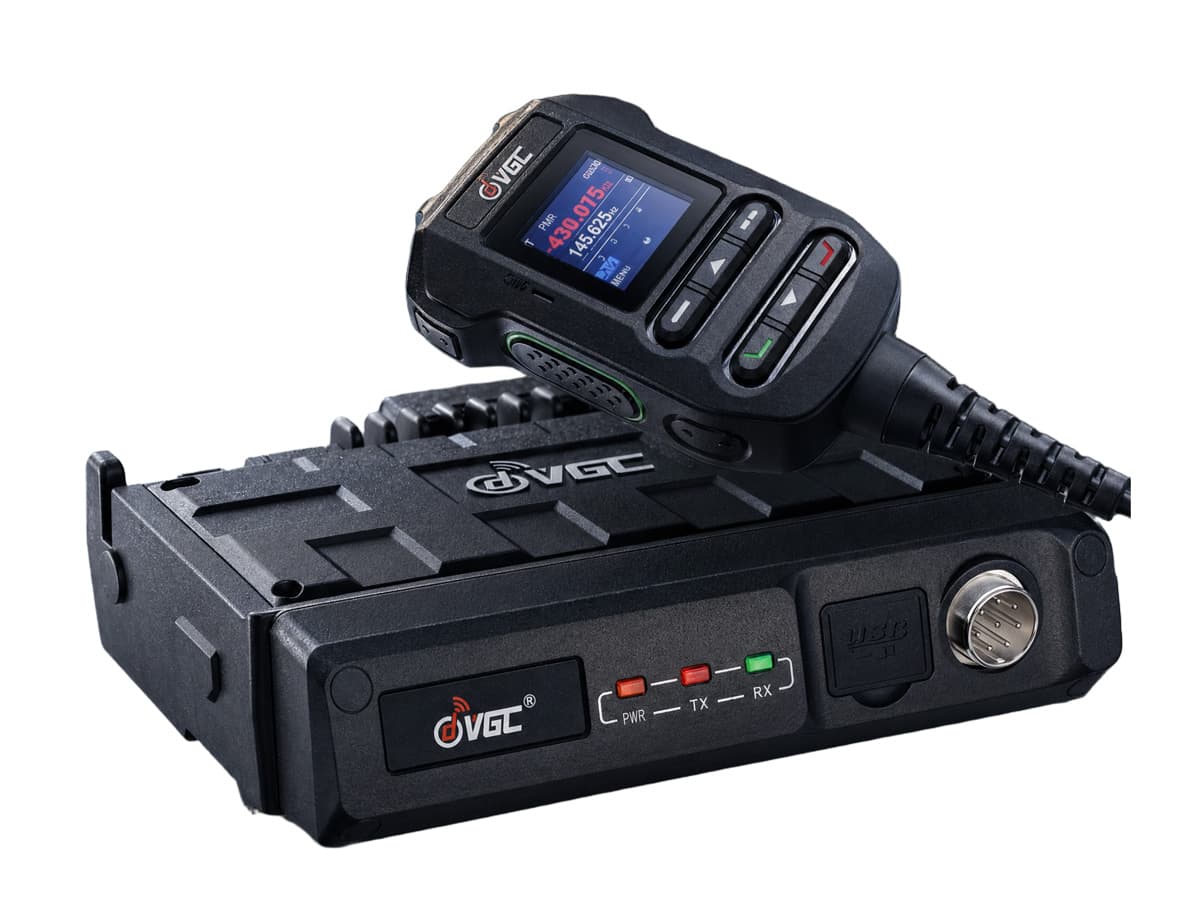
VR-N7600 Mobile Radio
50W Heavy-duty bike/car radio. Full color display, massive range for cross-country convoys.

BS-PTT Wireless Button
Handlebar-mounted low energy Bluetooth PTT trigger. Absolute hands-on-grip riding safety.
3. App-Defined Fleet Programming on the Trail
Traditional radio hardware introduces heavy friction when a riding group needs to update channels on the fly, usually requiring a laptop and hardwired cables out on the trail. Modern app-defined radio systems remove this bottleneck entirely.
By utilizing a dedicated **HT APP** data bridge, ride leaders can edit tone codes, change simplex channels, or coordinate regional repeaters directly on a smartphone display. The application then syncs the configuration arrays instantly across the fleet over the wireless Bluetooth link, keeping your group coordinated without any cable lag.
Ecosystem Solution References:
Optimize Your Adventure Riding Communication
Explore heavy-duty, app-defined radio frameworks engineered to mesh natively with premium helmet intercoms and wireless handlebar controls.
Technical Documentation Database © 2026 | Full-Stack App-Defined Motorcycle Radio Systems